My Biggest Leadership Lessons: Michael Diekmann
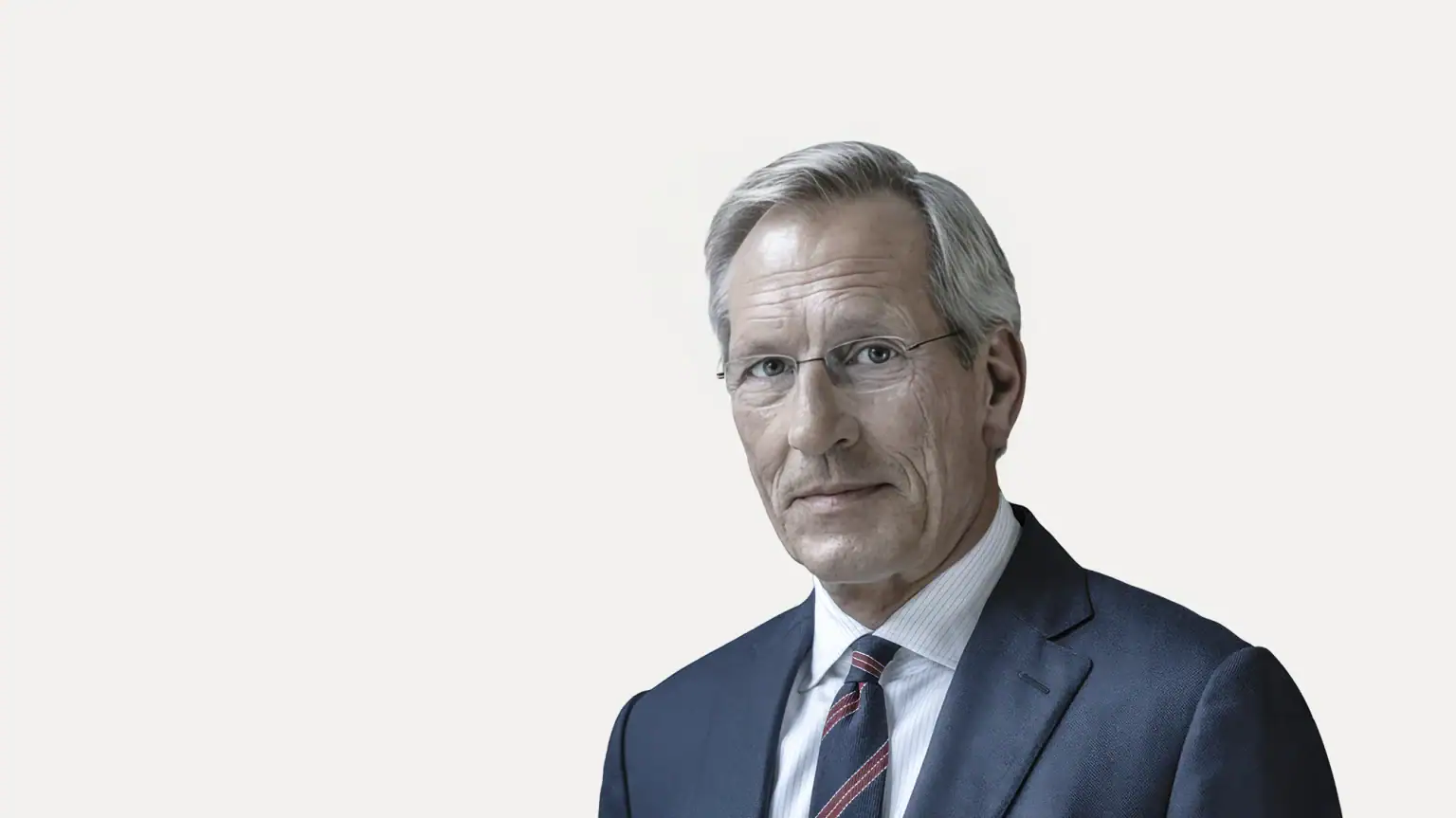
Michael Diekmann, mentor at Global Mentors Group, shares the leadership lessons he has learned throughout his career and experience as a senior leader and mentor.
CEO Transition & Succession, Executive Performance, Global Mentors Group News, Leadership & Mentoring, Organisational Culture
After almost four decades at Allianz, including more than a decade as a CEO and later as Chairman of the Supervisory Board, Michael Diekmann knows leadership from every angle. Now, as a mentor to senior executives, he reflects on the lessons that experience has taught him.
People often assume that the hardest part of being a CEO is making big strategic decisions. In my experience, it wasn’t. The greatest responsibility was always people.
Finding the right people. Putting them in the right roles. Building teams that could succeed without you. And then having the judgement to know when to step in and when to step back.
Leadership has changed over the last 15-20 years. Organisations are flatter, people expect more involvement in decisions, and leaders are expected to listen more to what their employees are saying. I believe that’s a good thing. But there comes a point when someone must make the decision and accept responsibility for it.
That’s the reality of leadership, and it can feel very lonely.
Experience matters more than a perfect CV
The most successful leaders I’ve worked with were the ones with sound judgement, curiosity and the courage to make difficult decisions. That’s why I’ve never been particularly interested in polished CVs or career paths.
Throughout my career, I looked for people who had lived a little. People who had tried something, failed at something, changed direction or taken a less conventional route.
Those experiences often build resilience and perspective in ways a flawless résumé never can.
Some of the best leaders I’ve known have not followed a straight line. They’ve been curious, they’ve taken risks and, they’ve got things wrong. That’s not a weakness. It’s often how judgement is developed.
Have the courage to speak up
Early in my career, I learnt that if something doesn’t feel right, you have a responsibility to say so.
Sometimes that means asking an uncomfortable question. Sometimes it means challenging accepted thinking. And sometimes it means putting forward an idea that initially sounds unrealistic.
The easiest thing to do is often to stay quiet.
But organisations need people who are prepared to challenge the status quo, and leaders need to create an environment where people feel able to do that.
The questions that matter aren’t always about business
Today, I spend much of my time mentoring senior executives preparing for CEO roles.
People sometimes assume our conversations focus on strategy, acquisitions or financial performance.
They don’t. We talk about responsibility, about why they actually want the role, the pressures it will place on their families and whether they have really thought about what leading an organisation will demand of them. We talk about integrity, reputation and knowing yourself before you lead others.
These aren’t necessarily questions that come up in a board interview. But they can be the questions that determine whether someone is genuinely ready to lead
Leadership doesn’t require perfection
Some of the biggest decisions of my career were made during periods of enormous uncertainty. You gather the best information you can, listen carefully, make your judgement and move forward.
Waiting for complete certainty is rarely an option. An older colleague once gave me advice that has stayed with me. He asked, “What’s the worst that can happen?” Then he answered his own question: “You’ll embarrass yourself.”
It was a useful reminder that fear can become a bigger obstacle than failure itself. Most mistakes can be recovered from, and no one is expecting you to be perfect. Indecision is often harder to overcome.
A good mentor doesn’t give you the answer
If becoming a mentor has taught me anything, it’s that experience is only valuable if you’re willing to share it.
No book can fully prepare someone for leading an organisation. Every CEO will face moments that feel unique. Yet many of the underlying challenges are remarkably similar: self-doubt, difficult decisions, unexpected crises and the weight of responsibility.
A good mentor doesn’t provide the answers. They simply ask better questions. And sometimes, that’s exactly what a leader needs most.
Related Insights


Your pathway to exceptional leadership